

16 Sanskars According to Maharishi Dayanand Saraswati
Maharishi Dayanand Saraswati’s Sanskar Vidhi presents these sixteen ceremonies as transformative spiritual landmarks. Each sanskar is crafted not only as a cultural observance but as a means to refine character, align with dharma, and contribute to an enlightened society.
1. Garbhaadhaan – The conception rite, invoking a healthy, virtuous soul at the very start of life.
2. Punsavan – A protective ceremony in early pregnancy to ensure the physical well-being of the fetus.
3. Simantonnayana – A ritual in the later months of pregnancy fostering spiritual and mental strength in the unborn.
4. Jatakarma – Celebrated at birth; the newborn is welcomed into the world through blessings and mantras.
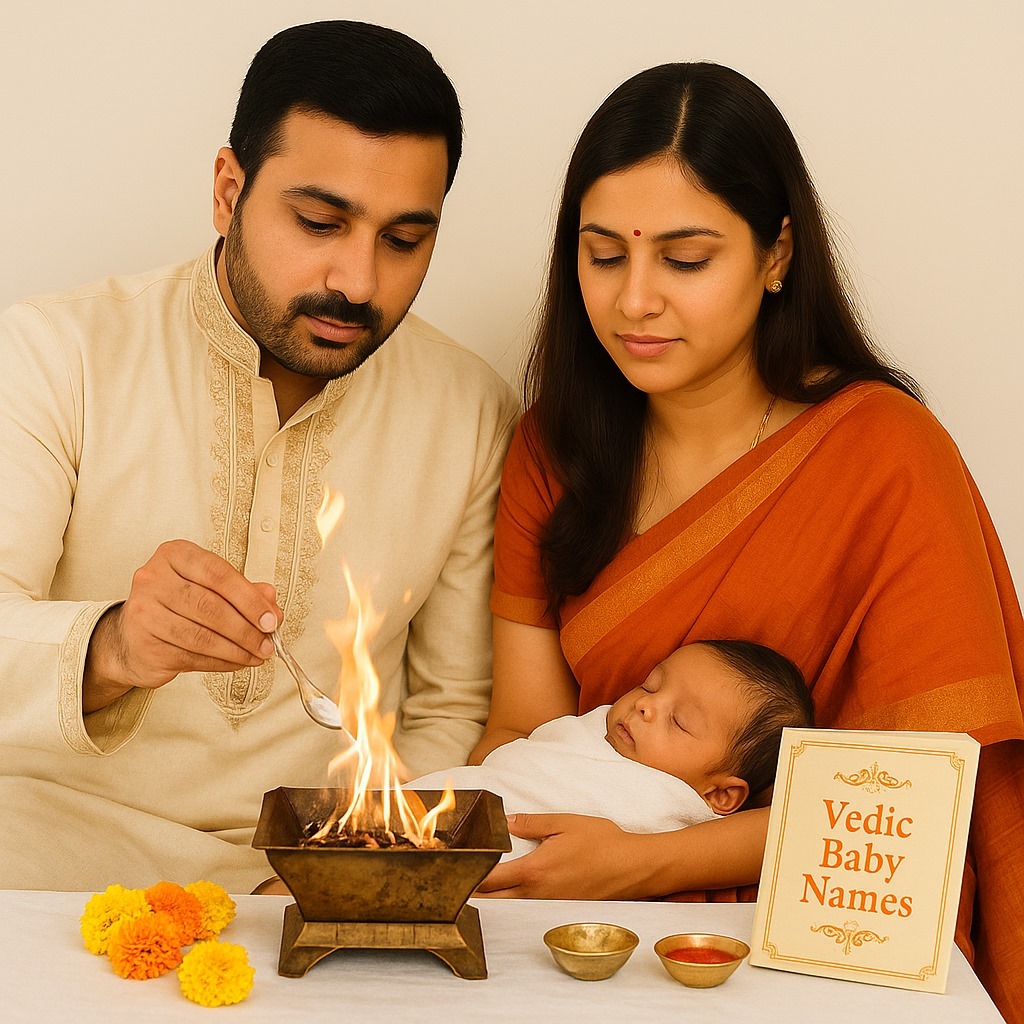
5. Namkaran – The naming ceremony, selecting a name with auspicious vibrations, usually guided by celestial constellations.
6. Nishkraman – The child’s first outing into sunlight and the outdoors, connecting them with nature.
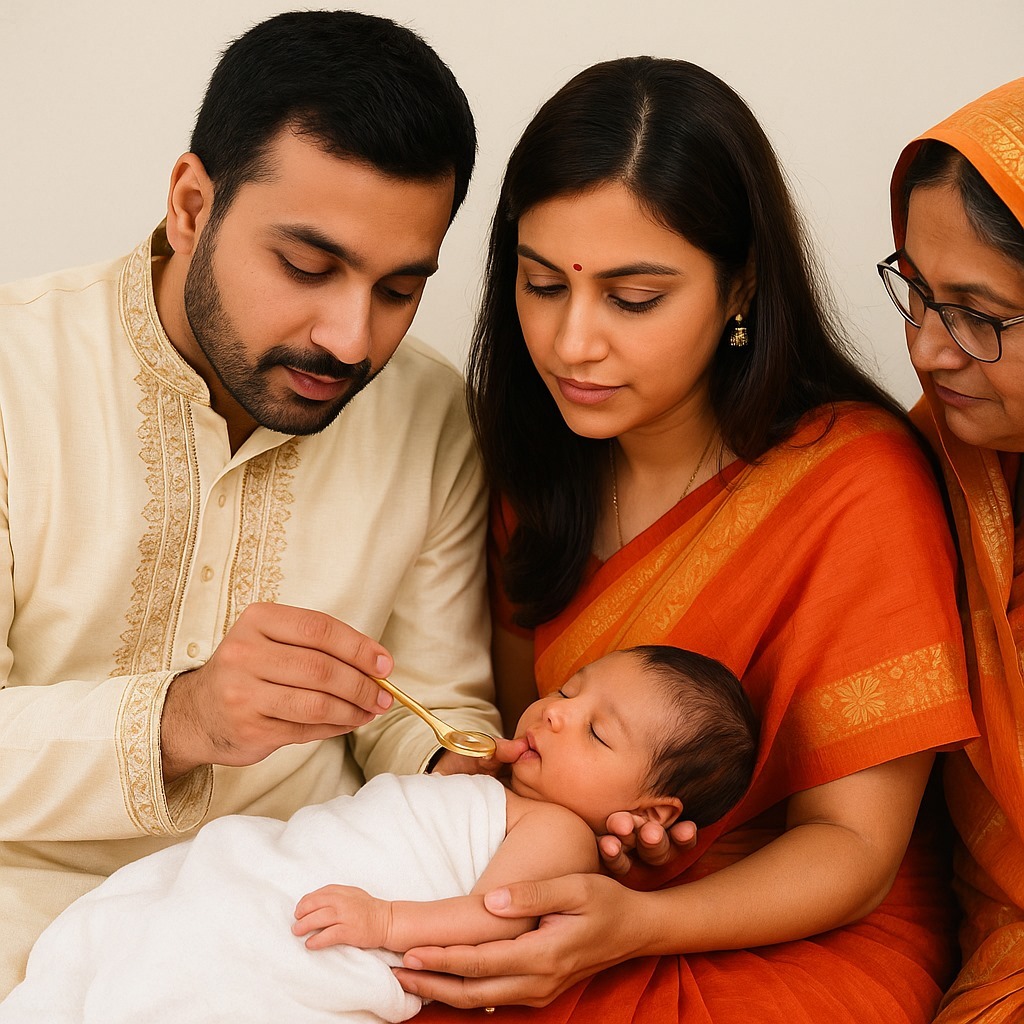
7. Annaprashan – Introducing the child to solid food, symbolizing physical nourishment and growth.
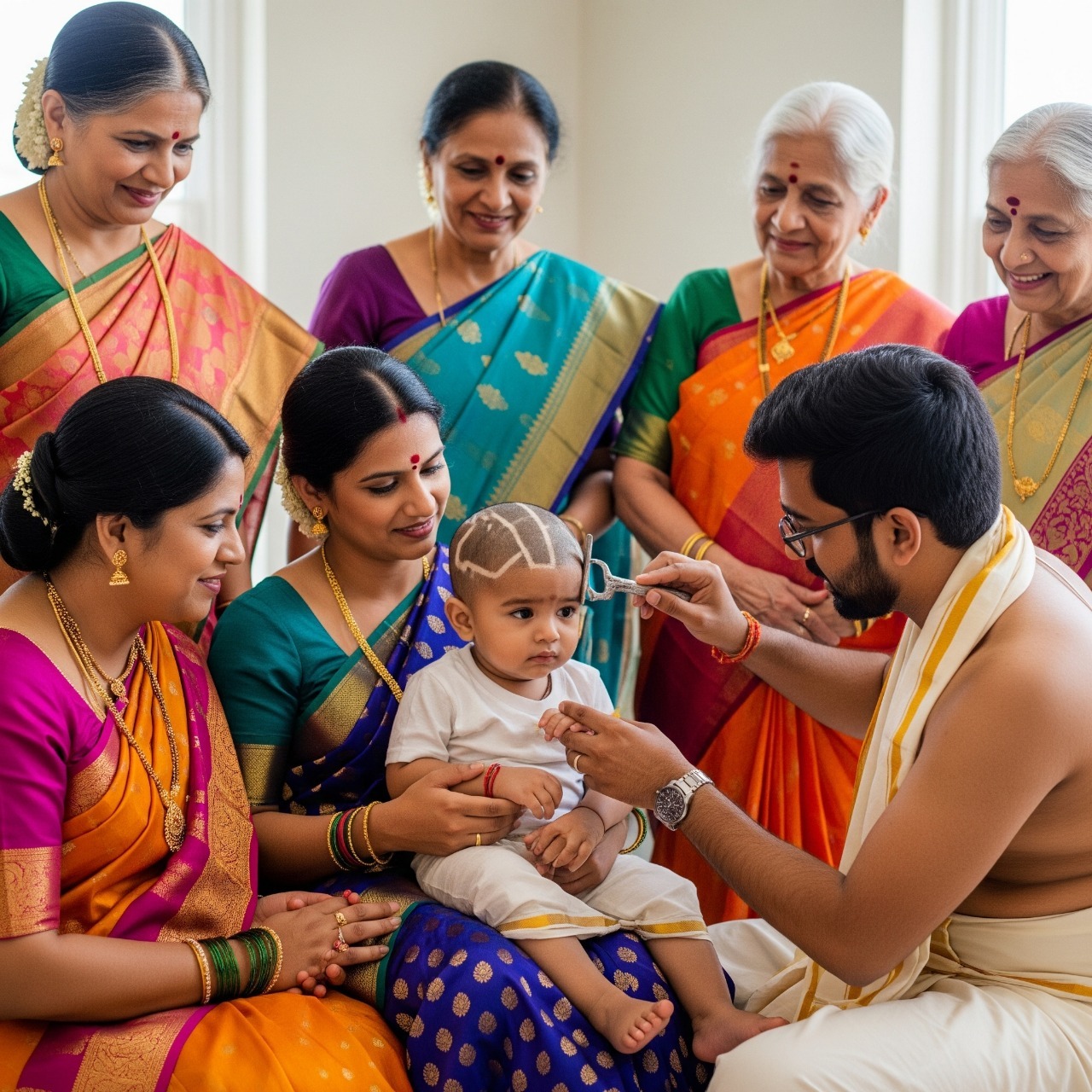
8. Chudakarma (Mundan) – The first haircut, believed to cleanse past karmic influences and promote well-being.
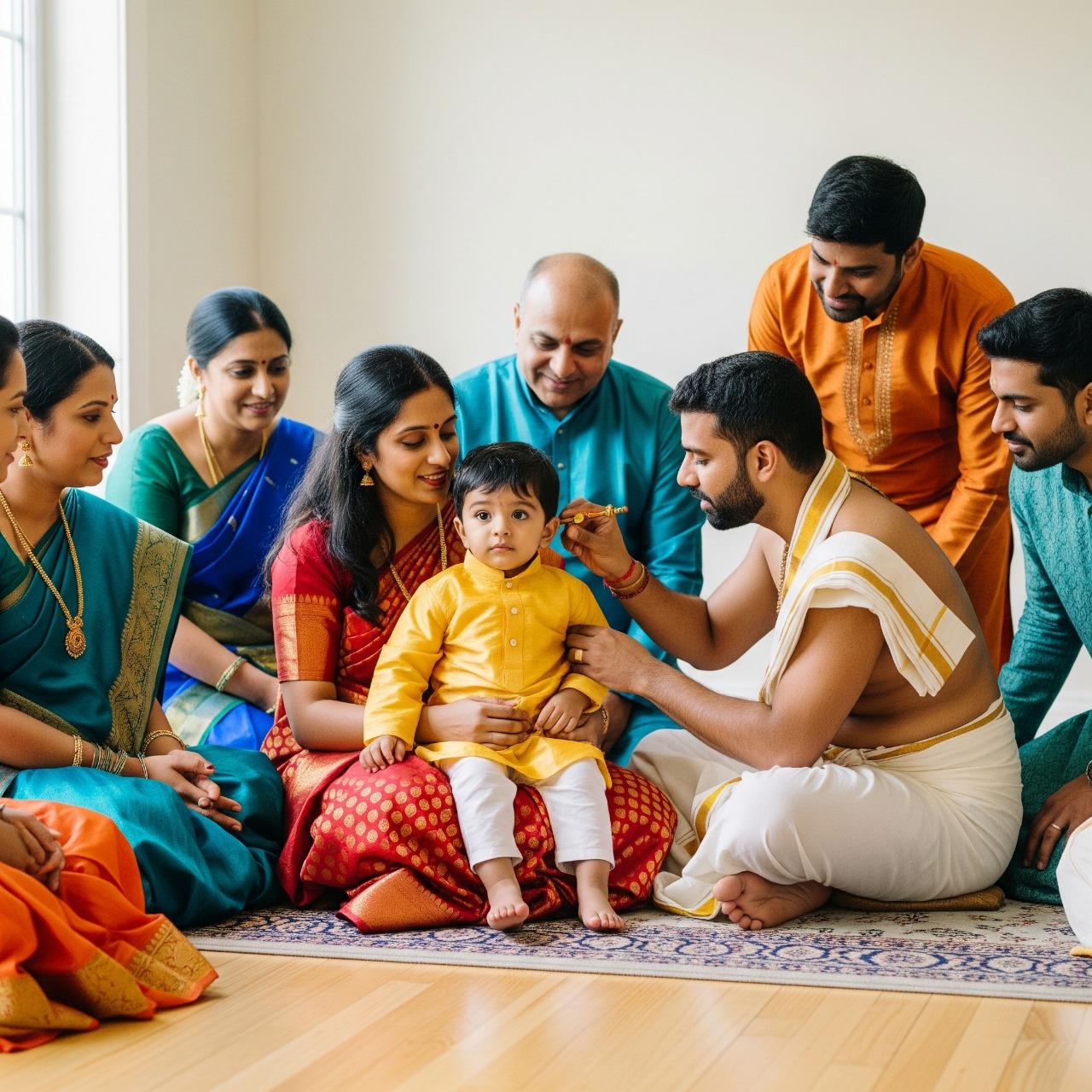
9. Karnavedha – Ear-piercing, sometimes advocated for its traditional spiritual and health-related benefits.
10. Upanayana – The sacred thread ceremony marking initiation into formal spiritual and educational life.
11. Vedarambh – Beginning the study of the Vedas; considered a deep spiritual undertaking.
12. Samavartan – The graduation or return ceremony, marking the end of formal education and Brahmacharya.
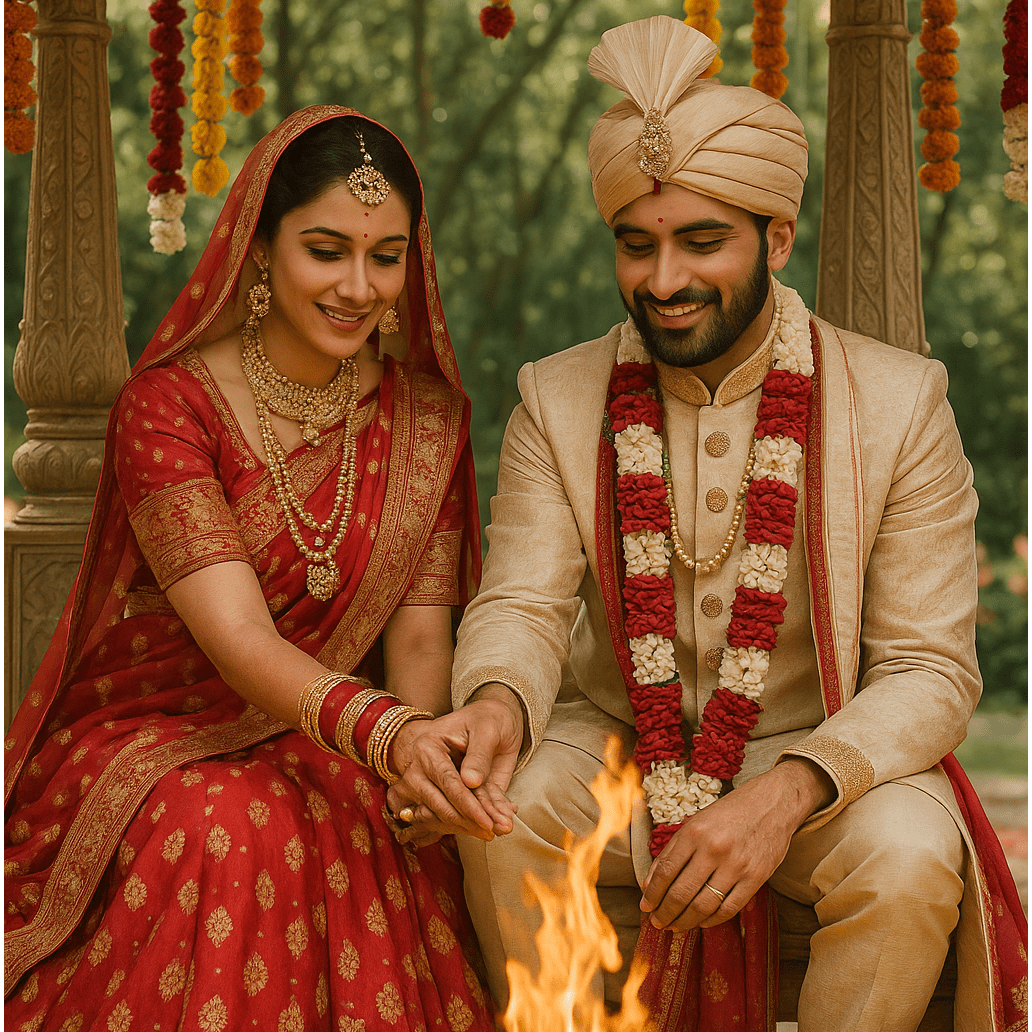
13. Vivaha – The sacred marriage rite, forming the foundation of a dharmic household life.
14. Grihasthaashram / Vanaprastha – Transitioning from household responsibilities toward spiritual detachment and austerity.
15. Sannyasa – Complete renunciation of material life, embracing meditation, detachment, and liberation.
16. Antyeshti – The final rites post-death, honoring the transition of the soul and return to the elements.
Book Acharya Ji
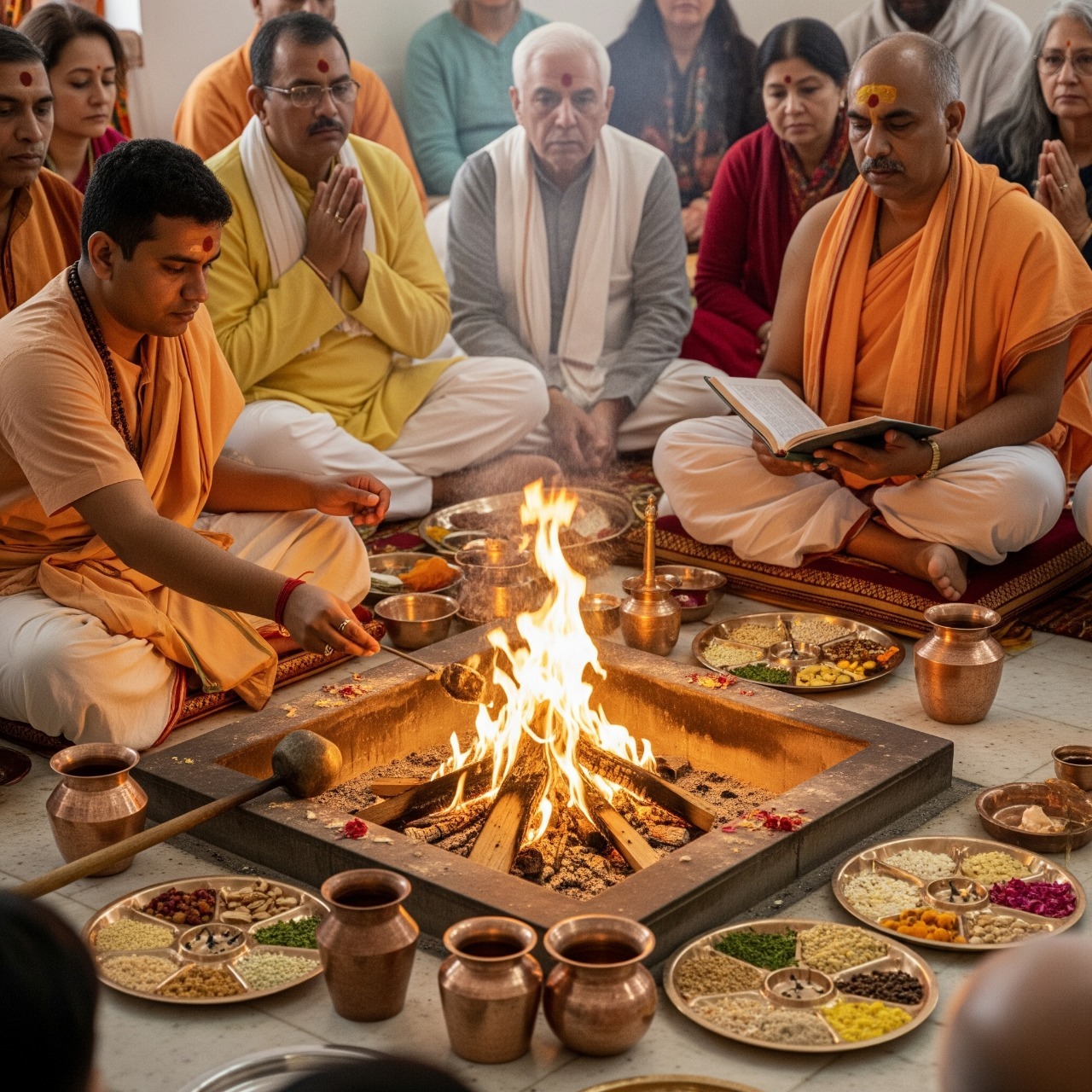
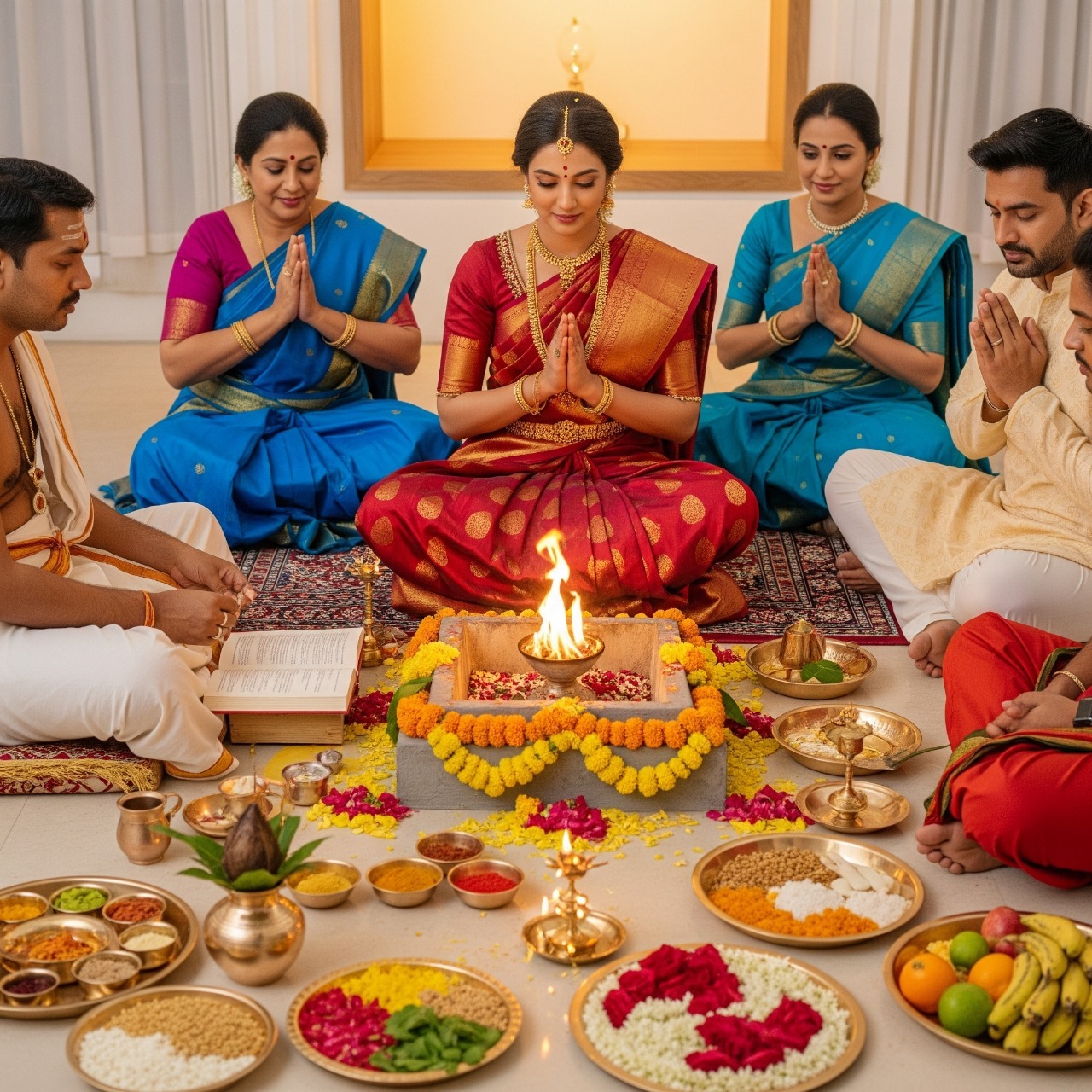
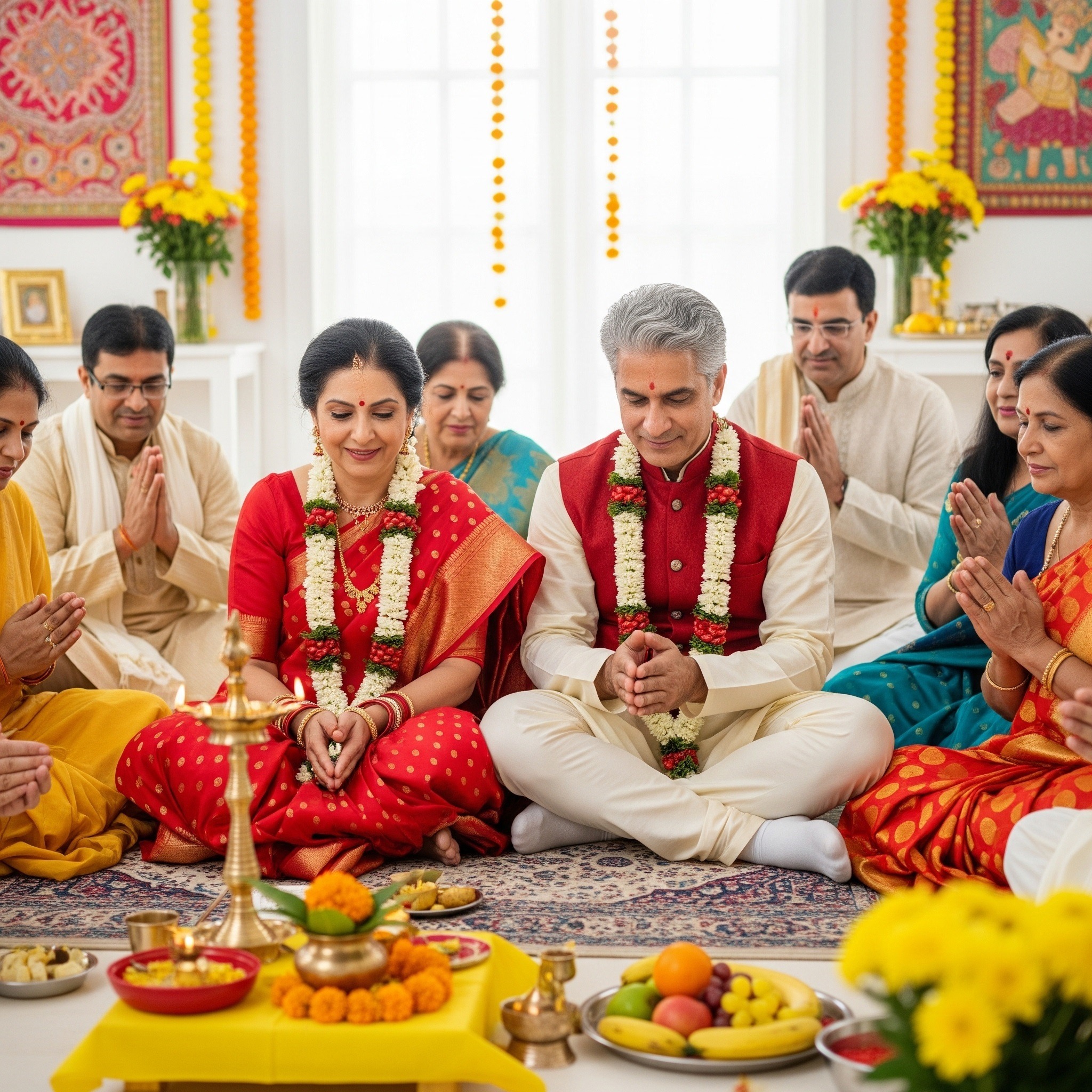
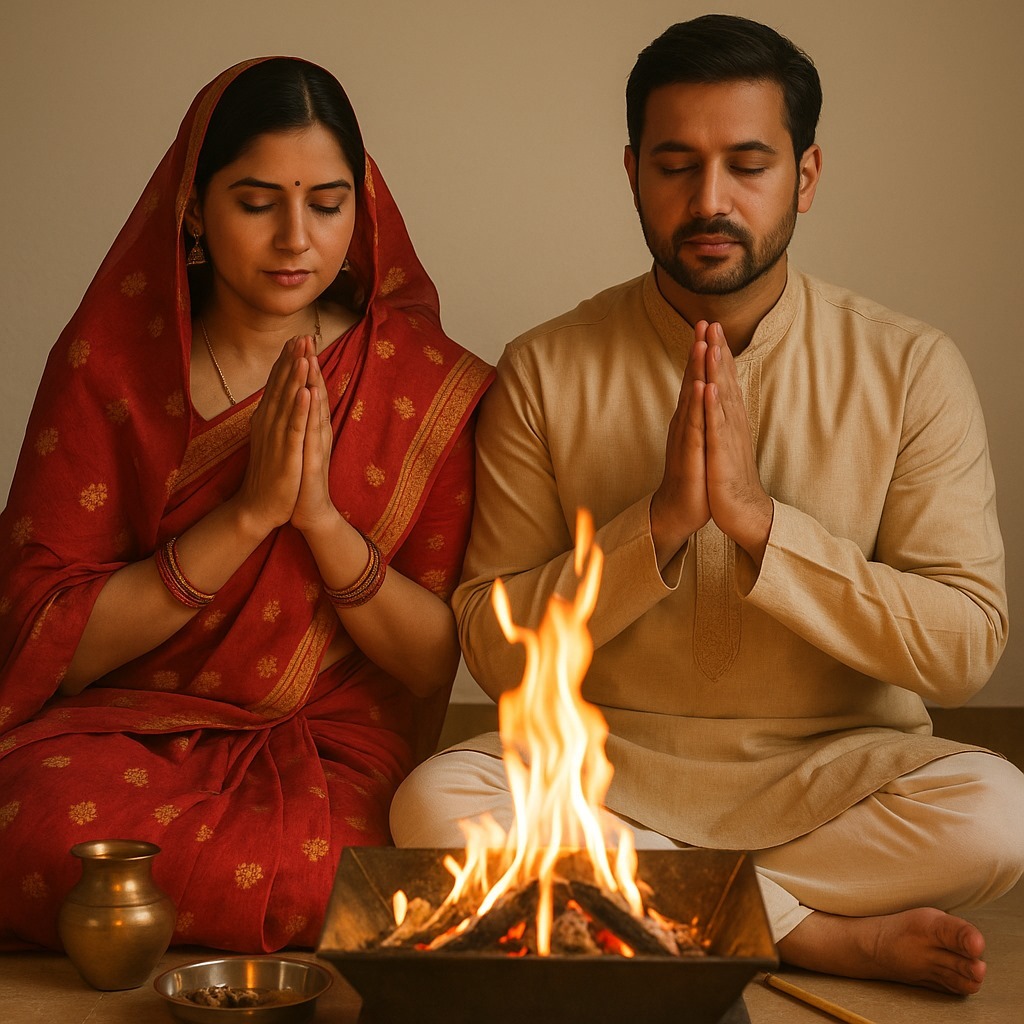
Garbhadhana Sanskar – Sacrament of Conception
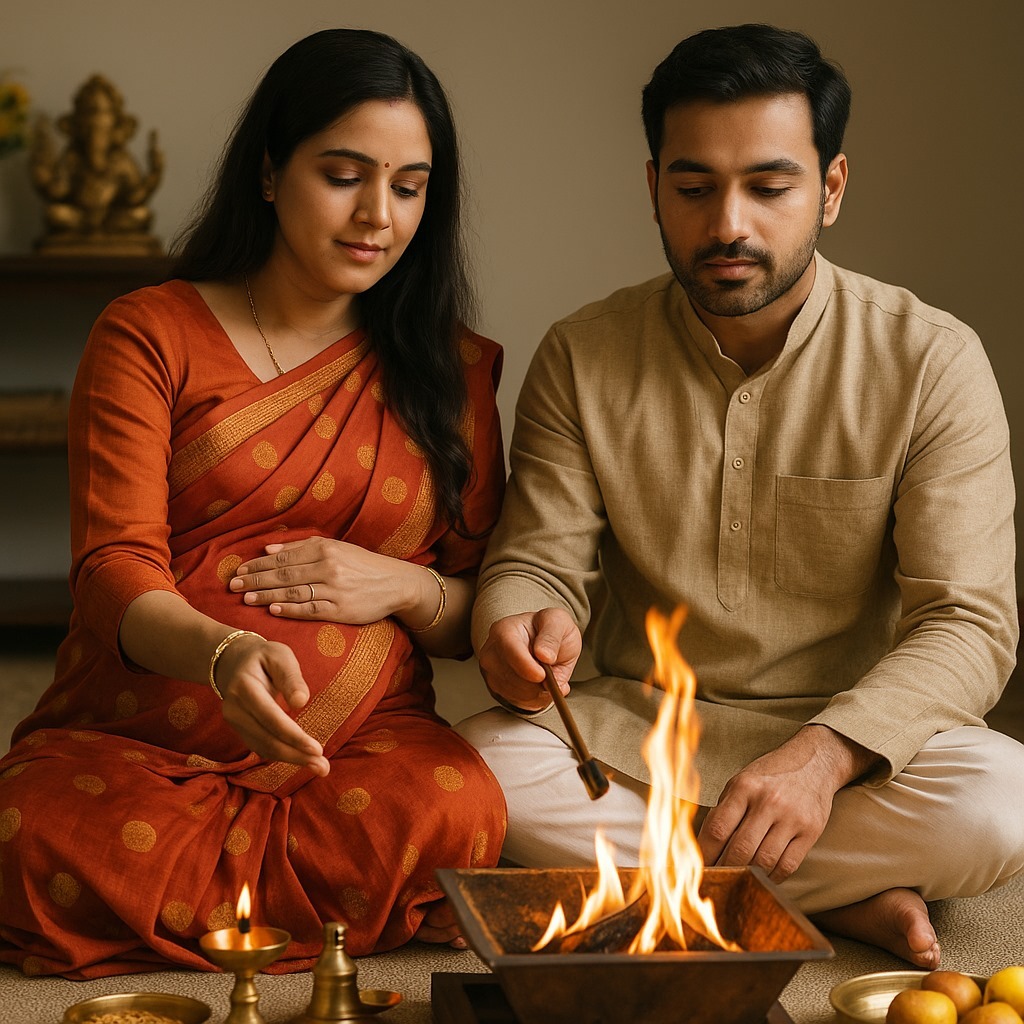
Pumsavana Sanskar – Sacrament for Healthy Offspring
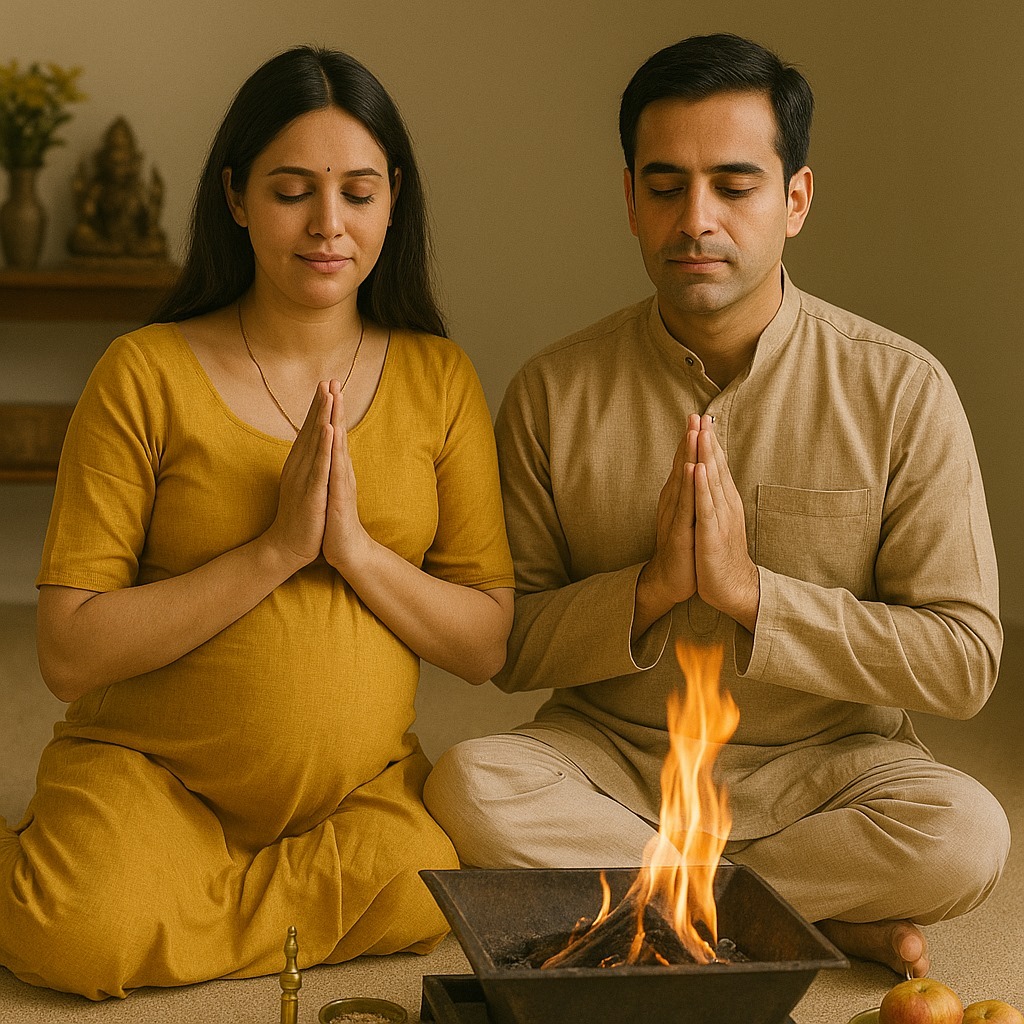
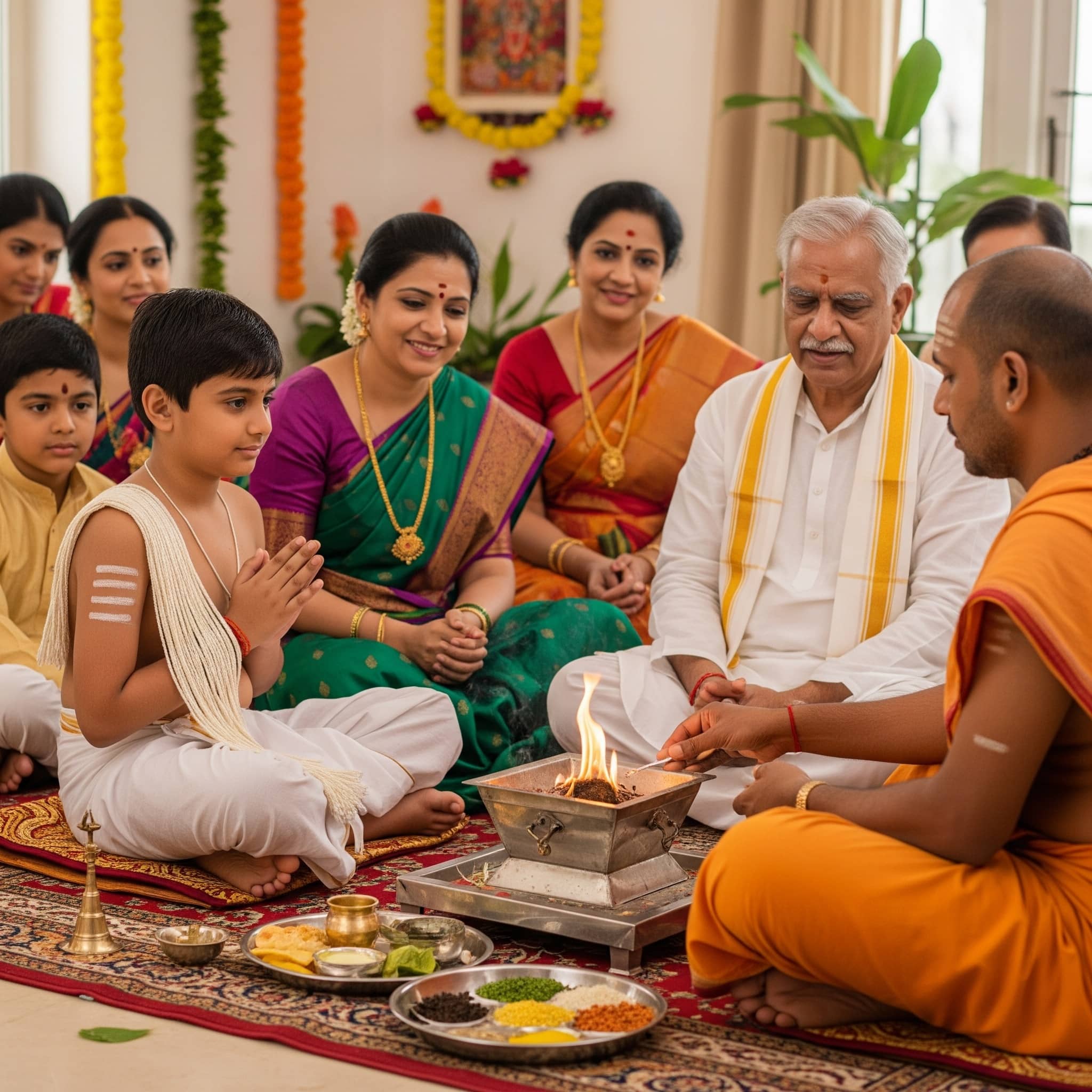
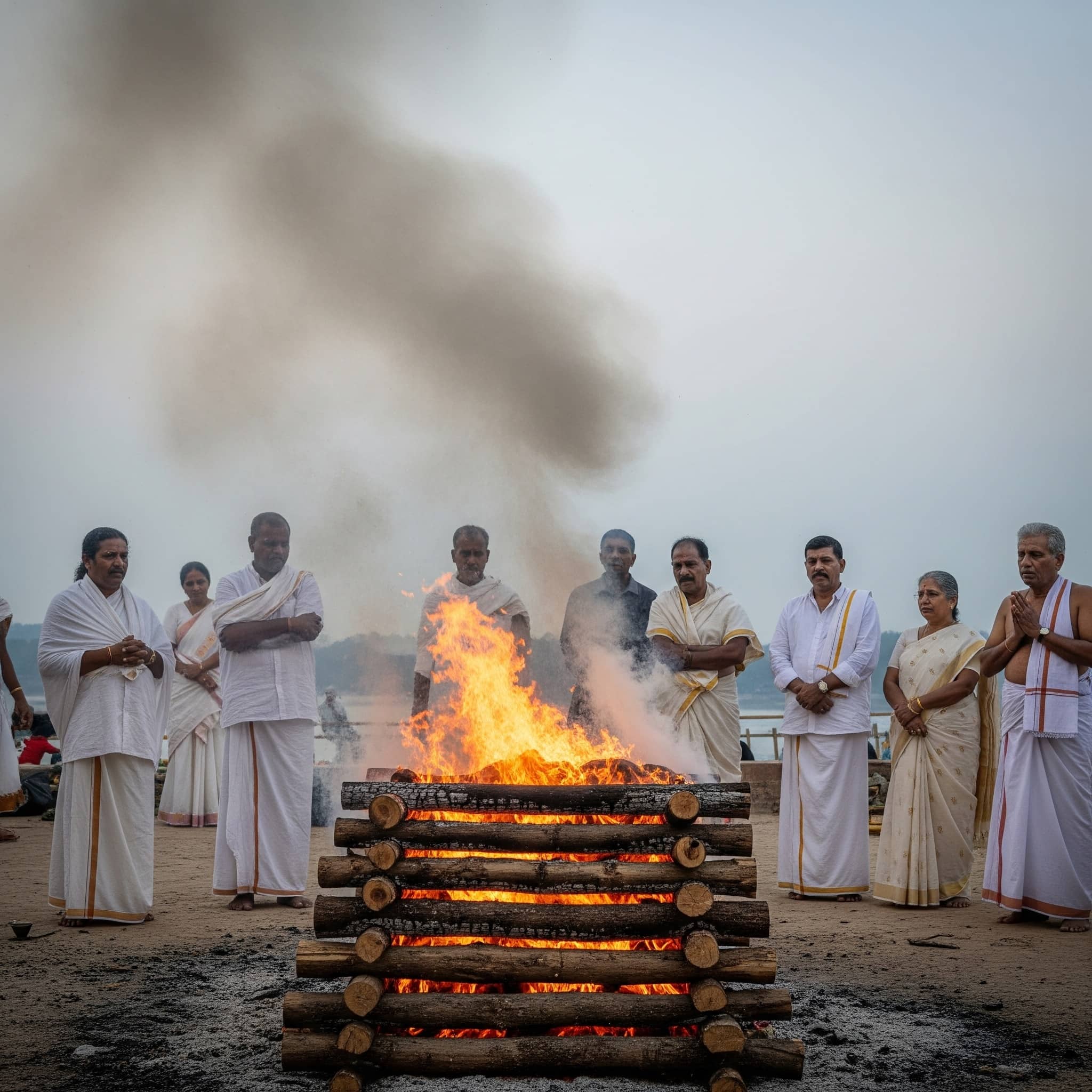
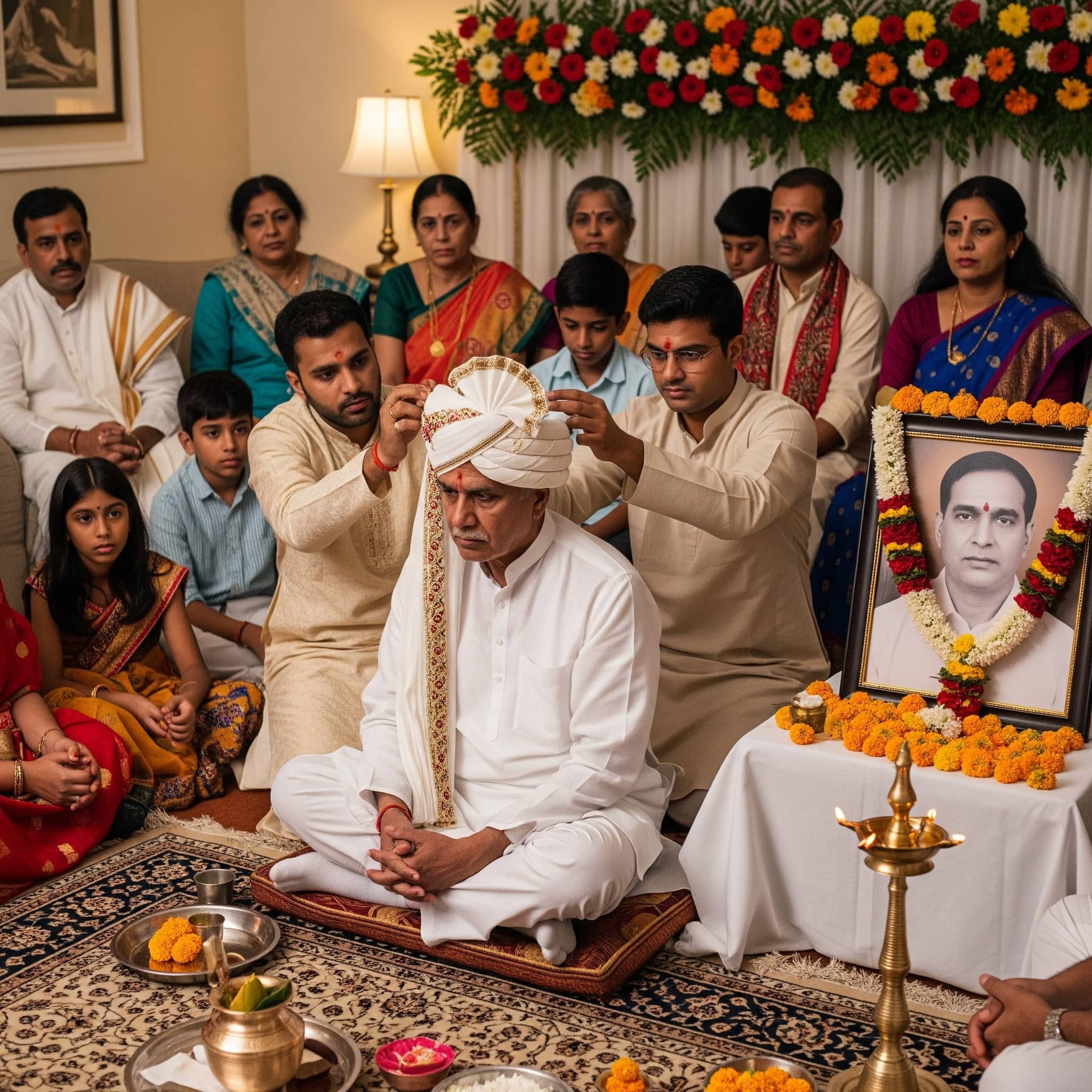

One must perform Sanskars as prescribed in the Vedas to lead life in harmony with Vedic principles,
ensuring spiritual growth, moral strength, and righteous living