

The 16 Vedic Sanskars: A Journey Through Life’s Sacred Milestones
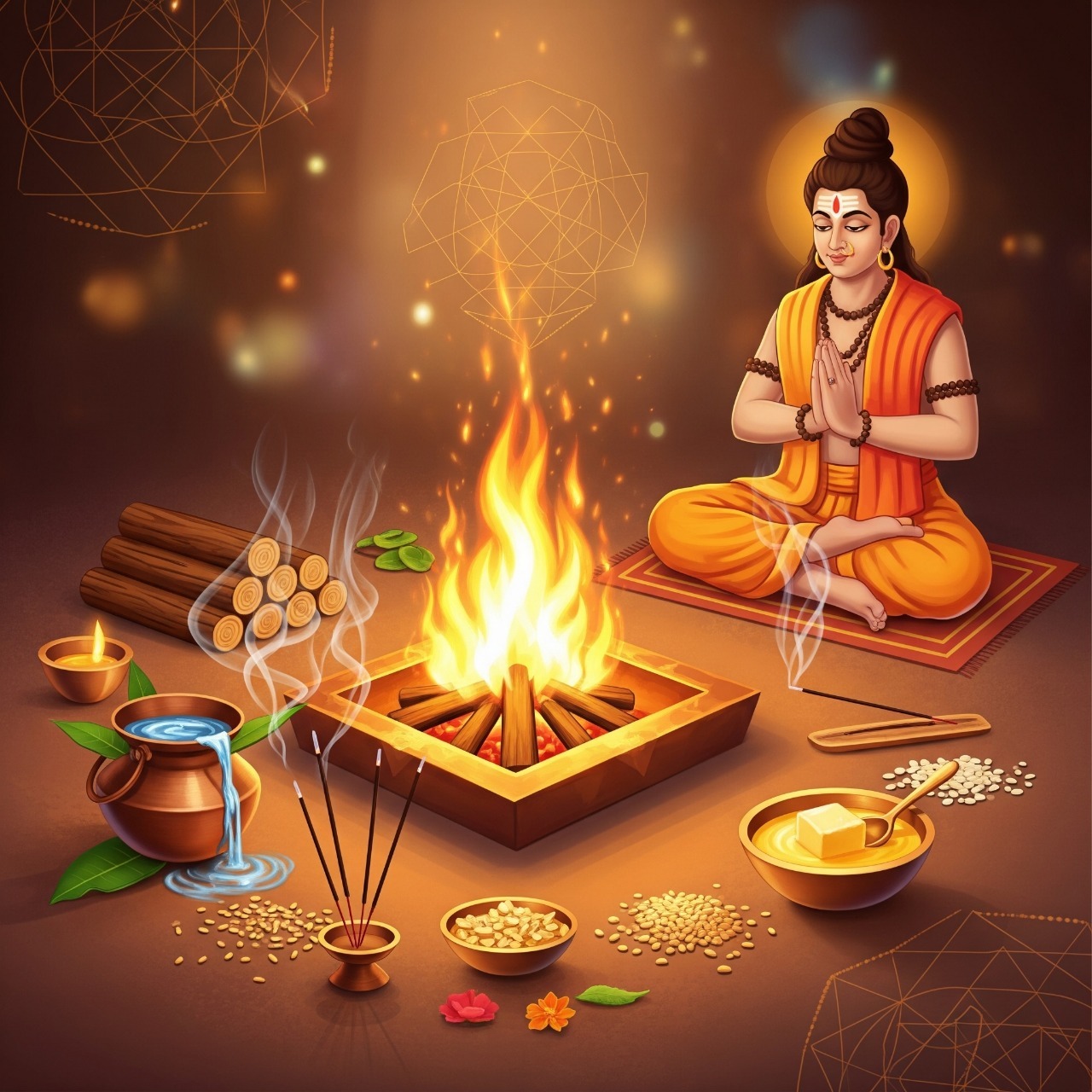
In his profound work, Sanskar Vidhi, Maharishi Dayanand Saraswati ji meticulously outlines sixteen sacred rituals, or samskaras, that guide a human being through a purposeful and righteous life. These rituals aren’t just ceremonies; they are milestones designed to sanctify every major stage of a person’s journey, from the moment of conception to the final rites after death.
Let’s explore these sixteen samskaras, grouped by the four main stages of life they represent:
Stage 1: Sanctifying Childhood and Early Life
The first nine samskaras are dedicated to the physical, mental, and spiritual development of a child.
Garbhadhan: This first ritual is performed at the time of conception, with the intention of bringing a virtuous and disciplined child into the world.
Punsavan: Performed during the third month of pregnancy, this ceremony is for the physical and mental well-being of the unborn child.
Simantonnayana: This ritual, performed in the fourth or seventh month, focuses on keeping the expectant mother calm and happy, which is believed to positively influence the baby’s emotional development.
Jatakarma: Performed immediately after birth, this reminds parents of their sacred duty to raise the child in a righteous manner.
Namakaran: The naming ceremony, performed on the 10th or 12th day, where a meaningful, inspirational Vedic name is chosen.
Nishkraman: In the fourth month, the child is taken outside for the first time, introducing them to the natural world.
Annaprashan: This ceremony, performed in the sixth month when the child’s teeth appear, marks their first intake of solid food.
Chudakarma (Mundan): The first haircut, performed in the first or third year, symbolizes purification and the beginning of a life of learning.
Karnavedha: The piercing of the ears, a practice believed to promote health, enhance beauty, and improve focus.
Stage 2: The Path of Education and Spiritual Growth
The next three samskaras focus on a person’s formal education and spiritual initiation.
Upanayana: This is a crucial initiation ceremony, often called the “second birth” (or dvija). The child is initiated into the Brahmacharya (student) stage of life, receiving the sacred thread and the Gayatri Mantra, and begins their spiritual and intellectual journey.
Vedarambh: Following the Upanayana, this ritual marks the formal commencement of a student’s study of the Vedas and other scriptures under the guidance of a guru.
Samavartan: This is the graduation ceremony. Upon completing their education, the student returns from the gurukul, ready to enter the householder stage of life with wisdom and purpose.
Stage 3: Adulthood and Family Life
This stage is defined by the most widely known samskara, the foundation of family life.
Vivah: The sacred marriage ceremony. It is the entry point into the Grihastha (householder) stage, a holy union of two souls and families for a life dedicated to Dharma (righteousness), Artha (prosperity), and Kama (desire).
Stage 4: Renunciation and Final Rites
The final three samskaras represent the latter stages of life, focusing on spiritual detachment and the ultimate journey of the soul.
Vanaprastha: After fulfilling their family duties and raising their children, a person enters this stage to dedicate themselves to social service, spiritual practice, and penance.
Sannyasa: This is the final stage of life, where an individual completely renounces worldly ties and dedicates their life solely to the contemplation of the divine and the pursuit of self-realization.
Antyeshti: The final rite. Upon death, the body is cremated with Vedic rituals, symbolizing its return to the five great elements. This ceremony serves to bring peace to the departed soul on its next journey.
Conclusion
Maharishi Dayanand Saraswati’s framework of the 16 samskaras is more than a list of rituals. It is a comprehensive guide for living a disciplined, moral, and fulfilling life. Each ceremony is a conscious step towards personal and spiritual development, ensuring that a person’s life is rooted in righteous conduct and purpose.